

In a world where smartphones are practically an extension of our hands, protecting that precious screen is non-negotiable. Imagine the horror of dropping your device only to find a spiderweb of cracks staring back at you. Ouch! Enter screen protectors—the unsung heroes of the tech world. They’re like a bouncer for your phone, keeping scratches, smudges, and accidental face-plants at bay.
Types of Screen Protectors
Screen protectors come in various types, each designed to address different user needs and preferences. Understanding these options helps users choose the right protection for their devices.
Tempered Glass Protectors
Tempered glass protectors provide robust protection against impacts and scratches. They consist of multiple layers, ensuring durability while maintaining clarity. Users appreciate their premium feel, as these protectors closely mimic the smartphone’s original screen. Installation is often simple and can be done without bubbles. Additionally, tempered glass protectors typically feature oleophobic coatings, which reduce fingerprints and smudges.
Plastic Film Protectors
Plastic film protectors offer a lightweight solution for screen protection. These flexible options can easily adhere to screens and provide decent scratch resistance. Users often find them more affordable than glass protectors, making them suitable for budget-conscious individuals. However, plastic film protectors might not protect against heavy impacts as effectively. They usually lack the same premium feel, but they still provide a solid layer of defense against everyday wear and tear.
Liquid Screen Protectors
Liquid screen protectors utilize a unique technology that forms a protective layer on the screen. This solution bonds with the glass, creating a durable barrier against scratches. Users appreciate the ease of application, as it often requires just a simple wipe-on process. While liquid protectors may not be as visible as others, they effectively enhance durability. They also maintain the device’s original design without adding bulk, appealing to users who prefer a minimalist approach.
Benefits of Using Screen Protectors
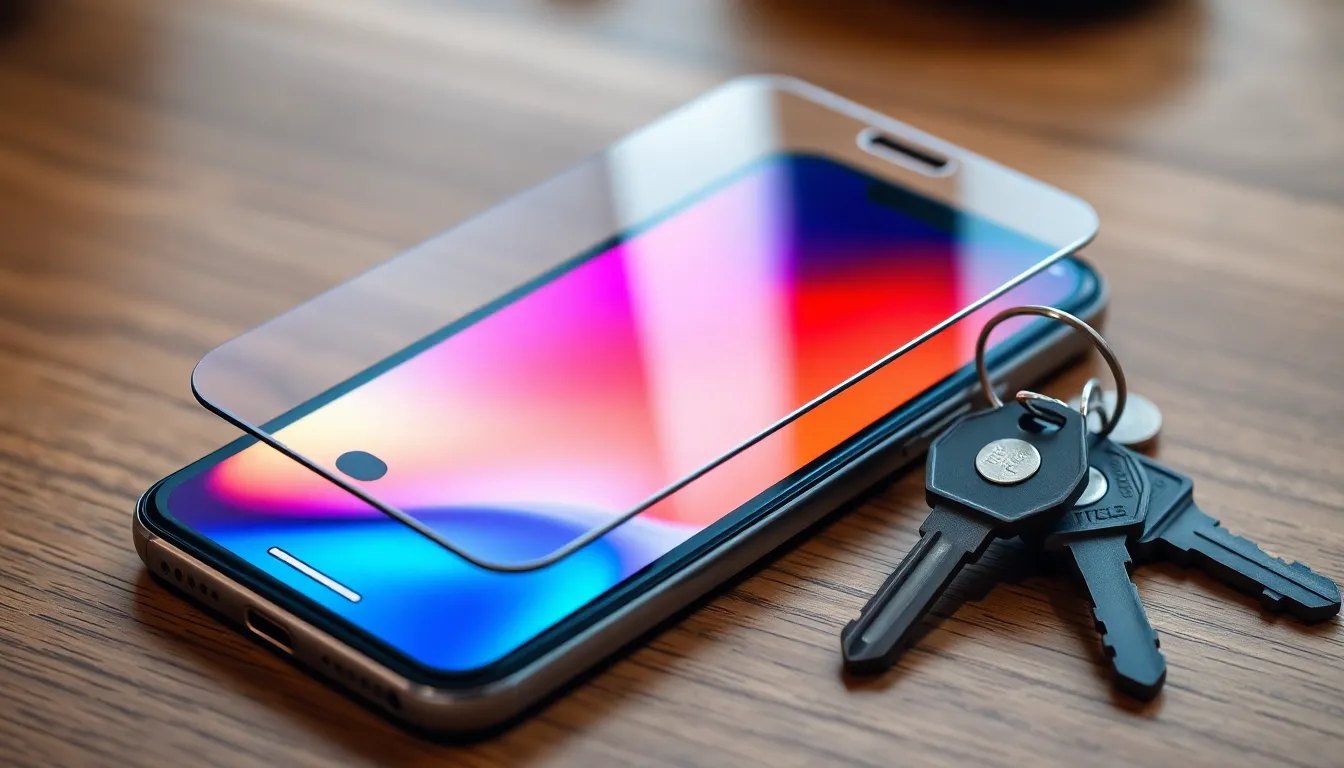
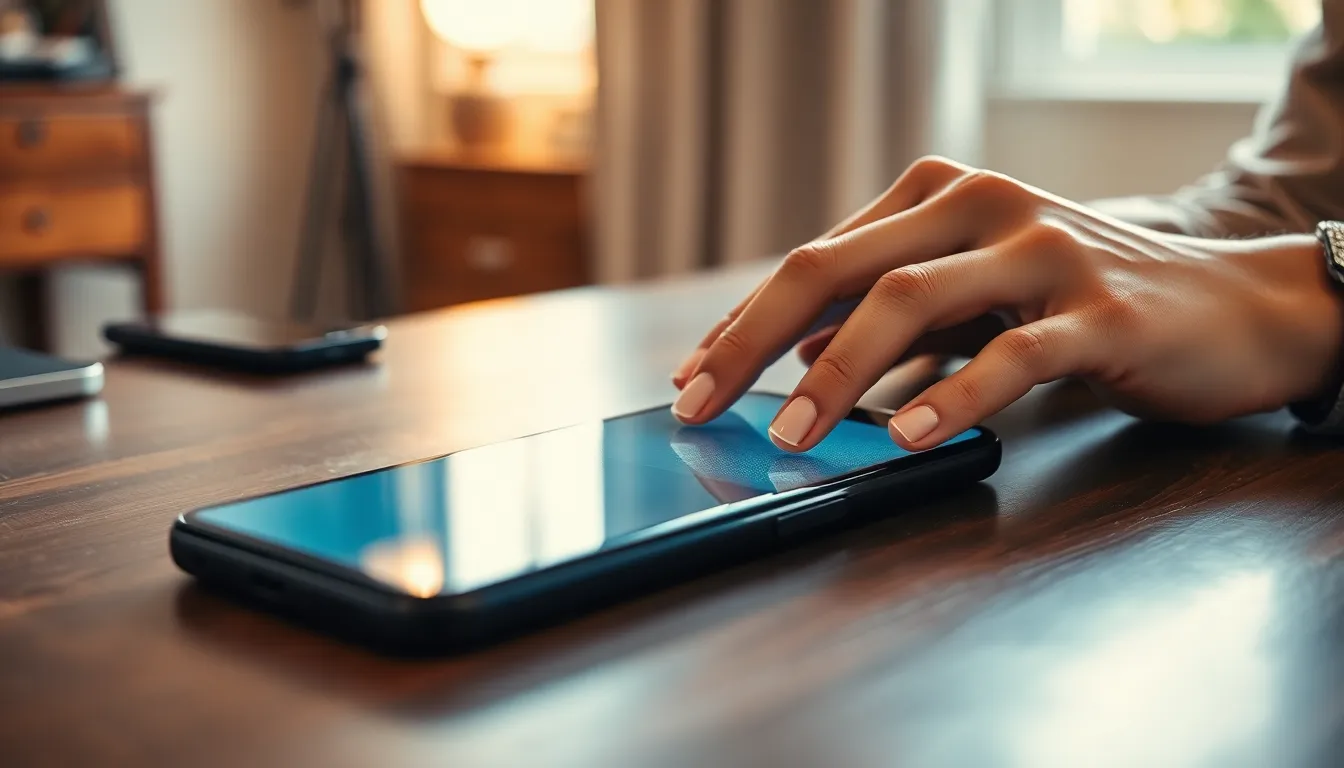
Screen protectors offer significant advantages for device maintenance and user experience. These benefits encompass protection from scratches, impact resistance, and enhanced privacy.
Protection from Scratches
Screen protectors effectively guard against scratches from everyday use. Many users encounter scratches from keys, coins, or surfaces that could easily mar the screen. With a screen protector in place, the likelihood of visible scratches decreases significantly. Protectors made from tempered glass or robust plastic film absorb impacts, preserving the device’s original appearance. Users can confidently place their devices in pockets or bags without worrying about accidental damage.
Impact Resistance
Impact resistance stands as another crucial benefit of screen protectors. Phone screens often suffer cracks or shatters from drops and tumbles, which can be costly to repair. A tempered glass protector provides superior impact resistance compared to plastic options. This added layer of protection absorbs shocks, reducing the risk of screen damage. Users typically find it reassuring to know that their screens are safeguarded from sudden impacts, leading to less anxiety about accidental drops.
Enhanced Privacy
Enhanced privacy represents a significant advantage of using screen protectors. Privacy screen protectors limit visibility from side angles, ensuring that sensitive information remains private. By preventing onlookers from reading messages or viewing personal data, these protectors offer peace of mind in public spaces. Users concerned about their privacy can benefit from the dual function of protecting both the screen and personal information.
How to Choose the Right Screen Protector
Choosing the right screen protector involves evaluating multiple factors to ensure optimal protection for devices.
Compatibility with Device
Compatibility remains a critical factor when selecting a screen protector. Users should verify that the protector aligns with their specific device model. Mismatches can lead to improper fit or coverage, resulting in exposed screen areas. Researching options ensures the protector fits perfectly, incorporating features tailored to particular devices. For instance, many protectors explicitly state which smartphone models they accommodate, streamlining the selection process.
Thickness and Durability
Thickness and durability significantly influence the protector’s effectiveness. Many manufacturers offer screen protectors in varying thicknesses, impacting both sensation and protection level. Thicker glass protectors provide superior impact resistance, shielding against drops and crashes. Thinner options, while lightweight, may compromise protection in high-risk scenarios. Users must balance their preference for a sleek feel against the need for robust defense, so assessing the specifications plays a crucial role in decision-making.
Additional Features
Additional features can enhance the usability of screen protectors. Some designs include anti-glare properties, reducing reflections in bright environments. Others incorporate blue light filtering capabilities, providing protection against potential eye strain. Privacy features help ensure that information remains concealed, ideal for public settings. Understanding these additional functionalities allows consumers to select a protector aligned with their lifestyle and usage habits.
Application and Maintenance Tips
Applying a screen protector correctly ensures optimal protection and longevity. Follow these steps for a successful application.
How to Properly Apply a Screen Protector
Start by thoroughly cleaning the device screen with a microfiber cloth. Dust and fingerprints must be removed for a smooth application. Align the protector with the edges of the screen before pressing it down. Slowly lower the protector to prevent air bubbles. Use a credit card to gently push out any trapped air, working from the center outwards. Finally, check that the protector is firmly adhered without any misalignments.
Cleaning and Care Instructions
Maintain screen protectors by following proper cleaning guidelines. Use a microfiber cloth to wipe away dust and smudges daily. Avoid harsh chemicals that can damage the protector’s surface or adhesive. For stubborn marks, slightly dampen the cloth and gently clean the area. Regular maintenance extends the protector’s lifespan, keeping the screen clear and functional. Store the device in a protective case to minimize dirt accumulation and enhance overall durability.


