

Imagine a world where your coffee brews itself just as you roll out of bed and the thermostat knows when you’re cold before you do. Welcome to the realm of IoT smart homes, where everyday devices are smarter than your average bear. This isn’t just about convenience; it’s about transforming your living space into a responsive ecosystem that anticipates your needs.
From voice-controlled assistants to smart fridges that can suggest recipes based on what’s inside, the possibilities are endless and often amusing. Who knew your home could have a personality? As technology continues to evolve, the smart home isn’t just a trend; it’s the future. So, buckle up and get ready to explore how these innovations can make life easier, funnier, and maybe a little too comfortable.
Overview Of IoT Smart Home
IoT smart homes integrate various devices that connect to the internet, enabling automated control and communication. Sensors, cameras, and appliances create a network designed to enhance convenience and security. Smart devices like thermostats adjust temperature automatically based on user habits.
Voice assistants streamline interactions, allowing users to control home functions simply by speaking. Smart lights can be programmed to turn on or off based on schedules, helping save energy. Appliances such as refrigerators monitor food inventory and suggest meals, fostering culinary creativity.
Security is enhanced with smart locks and camera systems, enabling remote access and monitoring. Users can receive real-time notifications on their smartphones when unusual activity is detected. IoT technology helps homeowners maintain greater control over their living environments, responding to needs instantly.
Data collected from these devices informs user preferences and behaviors, further optimizing functionalities. Integration of these systems fosters a cohesive experience where devices communicate seamlessly. Homeowners benefit from increased efficiency, comfort, and personalized living spaces.
By leveraging IoT technology, homes can evolve into customizable environments tailored to individual lifestyles. Enhanced automation not only simplifies daily tasks but also contributes to overall well-being. The connected home ecosystem illustrates how technology brings together various aspects of life, creating a smarter future for everyday living.
Benefits Of IoT Smart Homes
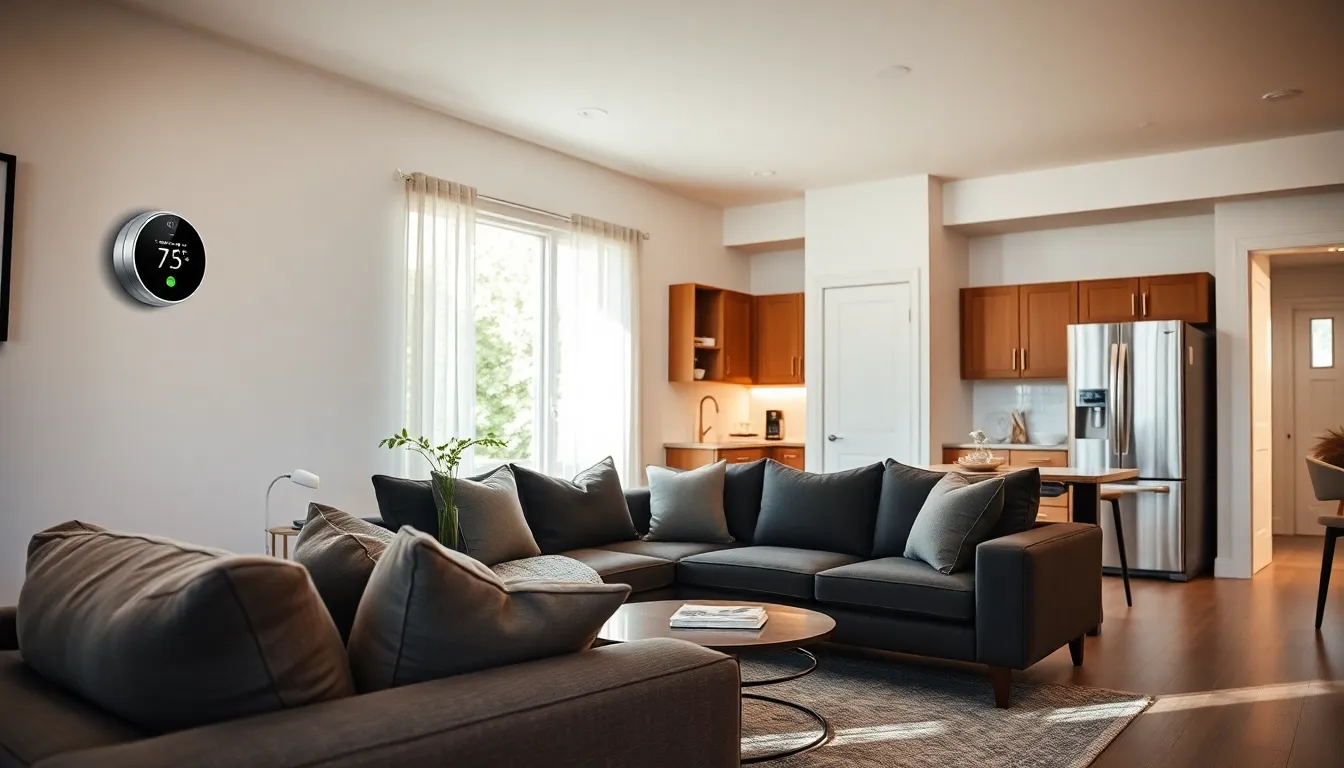
IoT smart homes offer numerous advantages that enhance daily living. These benefits include energy efficiency, enhanced security, and unparalleled convenience.
Energy Efficiency
Smart devices significantly contribute to reducing energy consumption. Smart thermostats, for example, automatically adjust home temperatures based on the occupancy patterns of residents. Programmable smart lights turn off when no one is present, decreasing unnecessary electricity usage. Additionally, smart appliances operate during off-peak hours, resulting in lower utility bills. By analyzing energy patterns, these devices provide insights that help homeowners make informed decisions about their energy usage.
Enhanced Security
Security features in IoT smart homes provide peace of mind. Smart locks enable remote access control, allowing users to manage entry points from their smartphones. Surveillance cameras offer real-time monitoring and send instant alerts in case of unusual activity. Furthermore, motion sensors can detect movement and trigger automatic notifications. Homeowners can track their property 24/7, knowing they have the ability to oversee their security even when away.
Convenience And Comfort
Convenience and comfort elevate the living experience in IoT smart homes. Voice-controlled assistants streamline daily tasks by managing schedules and controlling devices hands-free. Automated systems, such as smart refrigerators, suggest meal ideas based on available ingredients, simplifying meal planning. Residents can adjust lighting and temperature settings with simple commands, creating a personalized environment. Overall, these innovations significantly enhance the comfort and ease of household management.
Key Components Of IoT Smart Homes
IoT smart homes rely on several key components that enhance functionality and user experience. Their effective integration creates an intelligent living environment.
Smart Devices
Smart devices form the backbone of IoT smart homes. These gadgets include smart thermostats that adjust temperatures based on user preferences. Voice-controlled assistants serve as central hubs, enabling hands-free control of various functions. Smart locks provide advanced security, allowing users to lock or unlock doors remotely. Sensors play crucial roles in detecting motion, humidity, or temperature changes. Smart lights can be programmed for optimal energy efficiency or adjusted based on time of day. Additionally, smart appliances, such as refrigerators that suggest recipes, enhance convenience and interaction within the home. Together, these devices create cohesive ecosystems that respond to the needs of their users.
Connectivity Solutions
Connectivity solutions facilitate communication between devices in an IoT smart home. Wi-Fi networks are essential for enabling internet access to smart devices. Bluetooth connections are frequently used for short-range device interactions, such as linking smartphones to smart speakers. Zigbee and Z-Wave protocols provide low-energy wireless communication, improving battery life for smart devices. Cloud computing enhances storage and processing capabilities, allowing devices to analyze data and offer personalized suggestions. Mesh networks can expand coverage throughout the home, ensuring connectivity in every room. Collectively, these solutions contribute to seamless automation and efficiency within an IoT smart home.
Popular IoT Smart Home Technologies
IoT smart home technologies create a seamless and connected living environment. They enhance convenience, efficiency, and security for homeowners.
Voice Assistants
Voice assistants serve as the command center of a smart home. Devices like Amazon Alexa and Google Assistant allow users to control various smart devices using simple voice commands. They respond quickly, enabling users to adjust lighting, thermostats, and entertainment systems hands-free. Integration with other devices fosters a cohesive experience, enhancing daily routines. For instance, a voice assistant can set the morning routine by gradually increasing light levels while starting the coffee maker. Popular smart home speakers ensure compatibility with a wide range of systems, contributing to a personalized living environment.
Smart Lighting
Smart lighting offers enhanced control and energy efficiency. LED bulbs can be dimmed or brightened remotely through smartphones or voice commands. Additionally, programmable schedules allow homeowners to set lighting patterns, optimizing energy usage. For example, lights can automatically turn off when no one is present, reducing electricity costs. Integration with motion sensors helps increase security by activating lights when movement is detected. Various color options also enhance ambiance, enabling users to create mood settings for activities like movie nights or dinner parties.
Smart Thermostats
Smart thermostats redefine climate control with automation and adaptability. Devices like Nest and Ecobee learn user habits and adjust temperatures accordingly, improving comfort and energy savings. They can be controlled remotely through mobile apps, providing flexibility for homeowners. For instance, a user can adjust settings while away, ensuring a comfortable environment upon return. Energy reports generated by these devices help track consumption patterns, further enhancing efficiency. Integration with other smart devices ensures a holistic approach to home automation, contributing to excellent energy conservation.
Challenges And Considerations
Numerous challenges accompany IoT smart homes, and addressing these ensures optimal benefits from the technology.
Privacy Concerns
Privacy remains a significant concern in IoT smart homes. Many devices collect personal data, which can be vulnerable to breaches if not properly secured. Users may unknowingly share sensitive information, such as daily routines or health data, with manufacturers. Furthermore, unauthorized access to smart home networks can expose homeowners to security risks. Regular software updates become essential in fortifying device security. Encrypted connections can minimize potential threats, encouraging users to prioritize systems that prioritize user privacy and data protection.
Compatibility Issues
Compatibility emerges as another challenge in IoT smart homes. Different manufacturers often create proprietary technologies that may not work seamlessly together. Users often face difficulties integrating devices from various brands, leading to fragmented experiences. Ensuring devices can communicate effectively requires selecting compatible products and ecosystems. Researching platforms with robust integration capabilities can streamline the setup process. It’s crucial for consumers to consider compatibility before investing in smart home technology to create a cohesive, automated environment.
The evolution of IoT smart homes marks a significant shift in how people interact with their living spaces. By integrating smart devices and connectivity solutions, homeowners can create personalized environments that enhance comfort and security. The convenience offered by voice assistants and automated systems simplifies daily tasks while promoting energy efficiency.
As technology continues to advance, the potential for IoT smart homes will only grow. While challenges like privacy and compatibility exist, they can be navigated with informed choices. Embracing these innovations not only transforms homes but also enriches the overall quality of life. The future of living is here, and it promises to be smarter and more connected than ever.


