

In a world where your fridge can text you when you’re out of milk, IoT development is the magic wand turning everyday objects into smart companions. Imagine a life where your coffee maker knows when you need that caffeine boost before you even open your eyes. That’s not just a dream; it’s the reality that IoT brings to the table—literally!
As businesses race to harness the power of the Internet of Things, they’re not just connecting devices; they’re creating a symphony of efficiency and innovation. From smart homes to industrial automation, IoT development is transforming how we live and work. So buckle up and get ready to dive into the fascinating world of IoT, where the only limit is your imagination (and maybe your Wi-Fi signal).
Overview of IoT Development
IoT development focuses on creating a network of interconnected devices that communicate and share data. These devices range from everyday items like refrigerators and thermostats to industrial machinery. Smart technology enhances both personal comfort and operational efficiency across sectors.
Data analytics plays a vital role in this ecosystem, as it processes the information collected from these devices. Heavily reliant on cloud computing, IoT development provides insights that facilitate better decision-making. Engaging with big data allows businesses to identify trends and improve services, thus offering a competitive edge.
Various protocols guide IoT connectivity, including MQTT, CoAP, and HTTP. Each protocol has its specific use cases and benefits, depending on the application. For instance, MQTT is lightweight and ideal for limited bandwidth scenarios, while HTTP remains a popular choice for web-based applications.
Security in IoT development is a prominent concern, as more devices come online. Ensuring data privacy and device integrity requires robust encryption and regular software updates. Deploying sophisticated authentication methods can mitigate many risks related to unauthorized access.
The growth of IoT continues to reshape industries. Smart homes feature connected appliances that streamline daily tasks, while factories adopt automation for improved production lines. As connectivity expands, developers explore innovative solutions to enhance user experience and operational effectiveness.
Investment in IoT technology drives research and development efforts. Startups and established companies alike are pouring resources into discovering new applications. The potential for groundbreaking advancements in areas like health care, agriculture, and energy remains substantial, promising a more connected and efficient future.
Key Technologies in IoT Development
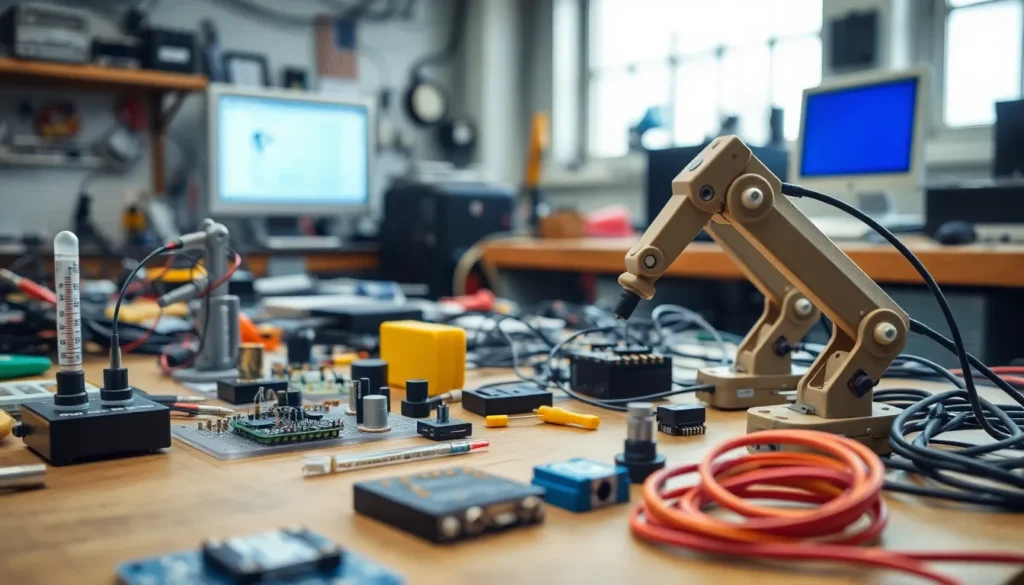
IoT development hinges on several key technologies that enhance its functionality and scalability. These technologies include sensors and actuators, along with various connectivity protocols that enable device communication.
Sensors and Actuators
Sensors capture data from the environment, allowing devices to respond to changes. Temperature, light, and motion sensors are common examples. Actuators control physical systems by moving or adjusting components based on sensor input. They play a critical role in automating tasks in smart homes, such as adjusting thermostats or lighting. Together, sensors and actuators facilitate real-time monitoring and automated responses, creating efficiently connected environments.
Connectivity Protocols
Connectivity protocols ensure reliable communication between devices. MQTT excels in lightweight messaging, making it suitable for low-power applications. HTTP, on the other hand, operates effectively in web-based environments. Each protocol offers unique advantages tailored to specific use cases, enhancing interoperability within IoT ecosystems. Proper selection of these protocols directly impacts data transmission efficiency and responsiveness, driving seamless interactions between diverse IoT devices.
Challenges in IoT Development
IoT development faces significant challenges that can impede progress. Addressing these challenges is crucial for successful implementations.
Security Concerns
Security vulnerabilities pose a major threat to IoT ecosystems. Unprotected devices can be hacked, exposing sensitive data. Encryption methods and authentication protocols become essential in safeguarding information transmitted between devices. Strong security frameworks protect user privacy and device integrity, while lacking them leads to increased risks. IoT devices often remain vulnerable due to poor default settings or infrequent updates. Organizations must prioritize robust security measures to mitigate these risks and ensure that user trust persists.
Scalability Issues
Scalability presents another challenge in IoT development. As networks expand, managing numerous devices becomes complex. Bottlenecks often arise when systems fail to handle increased data flow effectively. High volumes of data generated by multiple devices require efficient processing and storage solutions. Solutions like edge computing provide opportunities by processing data closer to the source, reducing latency. Proper infrastructure planning is vital to accommodate future growth and ensure seamless device integration. Balancing scalability with performance is critical for successful IoT implementations.
Best Practices for IoT Development
Successful IoT development relies on several best practices that enhance performance and security. Adhering to these practices helps create robust, scalable solutions.
Design Considerations
User experience remains paramount in IoT design. Developers must prioritize intuitive interfaces that allow easy interaction. Device interoperability also plays a critical role, ensuring seamless communication among various devices and platforms. Additionally, employing modular architectures allows for easier updates and expansions in functionality. Scaling must be planned from the outset, enabling systems to accommodate growth without compromising performance.
Testing and Deployment Strategies
Thorough testing is essential for identifying vulnerabilities before deployment. Implementing automated testing frameworks can streamline this process, revealing issues quickly. Simulating real-world conditions during testing helps uncover potential glitches in connectivity and user interaction. Gradual rollout strategies, such as phased deployment, allow for monitoring and refining systems in live environments. Continuous feedback loops ensure that any necessary adjustments can be made promptly in response to user experiences.
Future Trends in IoT Development
Emerging technologies are set to influence IoT development significantly. Artificial intelligence plays a critical role by enabling devices to learn from data patterns and improve functionalities over time. Advanced AI algorithms enhance decision-making capabilities and create more personalized user experiences.
5G networks will transform connectivity. This next-generation technology facilitates faster data transmission and supports a larger number of devices simultaneously. Lower latency from 5G enhances real-time communications, crucial for applications like autonomous vehicles and smart cities.
Edge computing continues to gain traction. By processing data closer to the source, it reduces latency and decreases the amount of data sent to the cloud. This shift improves operational efficiency, particularly for time-sensitive applications such as industrial automation.
Sustainability measures are increasingly prioritized. IoT solutions will focus on energy efficiency and resource conservation, aligning with global sustainability goals. Innovations in smart agriculture and energy management systems exemplify how IoT can contribute to environmental responsibility.
Interoperability among devices will become essential. Platforms that ensure seamless communication and integration across diverse ecosystems will facilitate smoother operations. Greater compatibility encourages innovation and promotes user adoption across various sectors.
Security advancements remain a paramount trend. Continuous development in encryption methods and authentication protocols is necessary to safeguard sensitive data. IoT ecosystems require robust security measures to build consumer trust and protect against potential breaches.
Investment in IoT research and development is expected to rise. Stakeholders recognize the immense potential IoT holds in optimizing processes across industries. Significant funding will likely lead to breakthroughs that enhance connectivity, efficiency, and user satisfaction in the coming years.
The future of IoT development is bright and full of potential. As technology continues to evolve the integration of smart devices in daily life and business operations will only deepen. Embracing innovations like AI and 5G will enhance functionality and connectivity while addressing security and scalability challenges remains crucial.
Organizations that invest in robust IoT solutions will gain a competitive edge and improve user experiences. With ongoing advancements and a focus on sustainability the IoT landscape is set to transform industries and redefine how people interact with technology. The journey into this interconnected world is just beginning and the possibilities are endless.


